
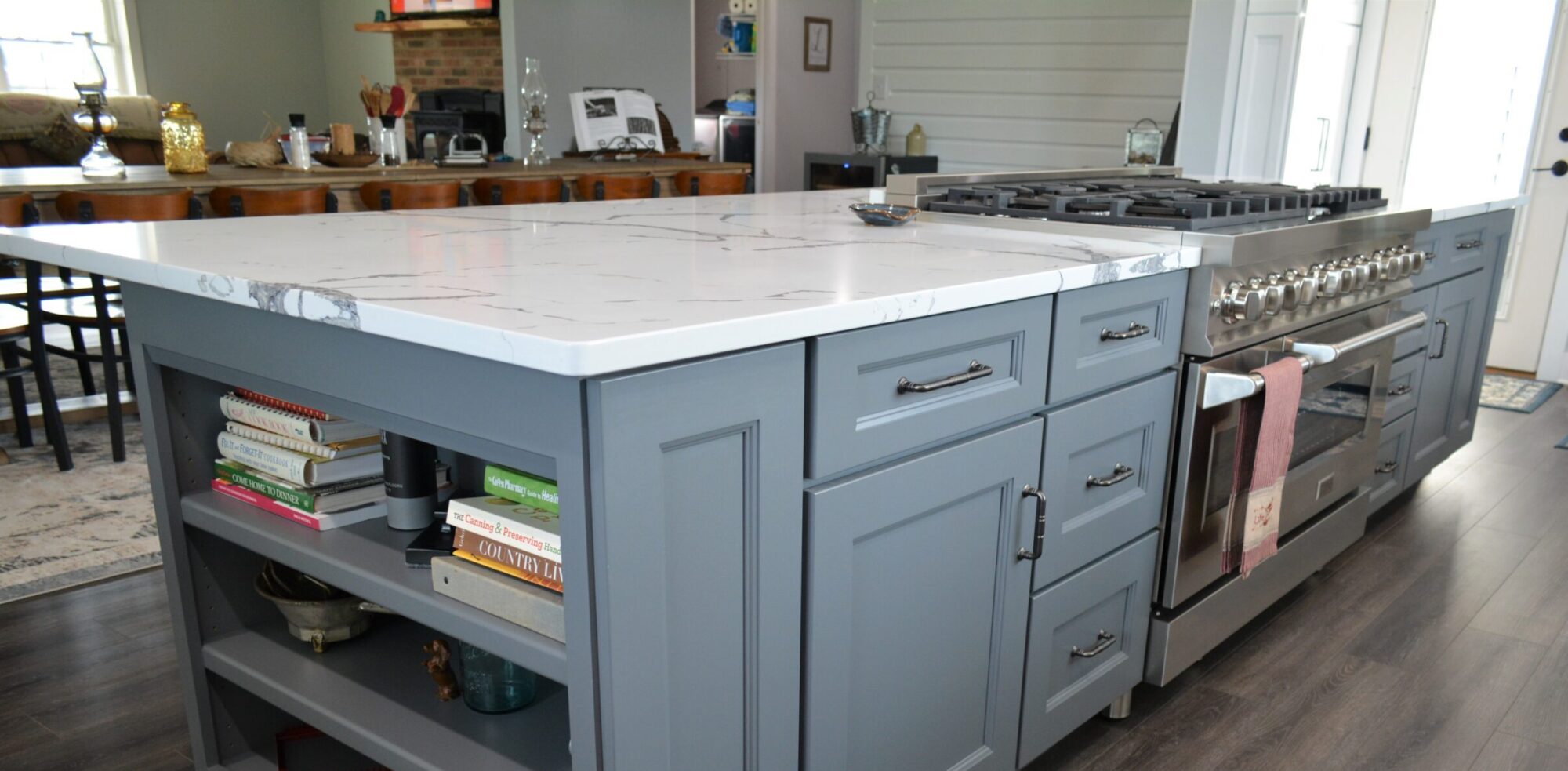
Revamping your kitchen is a significant undertaking, and missteps prior to installation can result in future headaches and wasted time and money. Before embarking on your kitchen renovation, explore these 7 seamless kitchen cabinet installation tips to ensure you’re well-prepared for the next steps.
Kitchen Cabinet Installation Tips
It’s not necessary to do every single thing on this list before installing your cabinets, but as you progress on your kitchen renovation project, make sure that you at least consider each of these tips below to prepare your kitchen for cabinet installation.
Step 1: Clear the Space and Remove Old Cabinets
The first cabinet installation tip is to remove all the old cabinets. This may seem like an obvious one, but it’s important to make sure you have plenty of time and space to work. You’ll also want to make sure you have all the right tools for the job.
Once you’ve removed the old cabinets, you’ll need to clean up the area. This means getting rid of any dust, dirt, or debris that might get in the way of the new cabinets.
It’s also important to make sure the walls are smooth and even. If there are any bumps or unevenness, this can cause problems down the line.
Step 2: Insulate Openings and Underneath Cabinets
Insulate any openings in your kitchen that will be covered by cabinets. This includes windows, doors, and openings for pipes and ductwork.
Use weather stripping or caulk to seal any gaps around these openings. This will help keep the inside of your cabinets warm and dry.
If you have cabinets that will be going over an unfinished floor, add insulation underneath them as well. This will help keep the floor warm and prevent drafts from coming up through the cracks.
Once the insulation is in place, cover it with a layer of plywood or other sturdy material. This will provide a solid surface for the cabinets to be mounted on and will help protect the insulation from damage during installation.
Step 3: Disconnect Electrical Wires from Outlets
Before your cabinet installation can begin, you’ll need to disconnect all of the electrical wires from the outlets in your kitchen. This includes both the upper and lower cabinets.
To do this, simply unscrew the outlet covers and carefully remove the wires. Be sure to label each wire so you know where it goes when it’s time to reattach them.
Once all of the wires are disconnected, you can go ahead and remove the cabinets themselves. Be careful when removing the cabinets, as they may be heavy and awkward to maneuver.
With the cabinets out of the way, your installer will have clear access to the electrical outlets and can begin installing your new cabinets.
Step 4: Move Appliances and Fixtures Off Counters
If you have any appliances or fixtures sitting on your countertops, now is the time to move them. This includes things like your coffee maker, toaster, and even canisters or other decorations.
If possible, move these items into another room or into storage until your cabinets are installed. This will make the process much easier and faster for the installer.
If you have a dishwasher, you will need to disconnect it from both the water supply and the power supply. Again, this will make things easier for the installer and help prevent any damage to your dishwasher.
Remove all items from your cupboards and drawers. This includes everything from dishes and silverware to food items and small appliances.
Step 5: Replace Light Fixtures
Another kitchen cabinet installation tip is to go through your kitchen and make a list of all the light fixtures that need to be replaced. Take note of where each fixture is located and what kind of electrical work will be required to install the new one.
If you’re not comfortable working with electricity, now is the time to call in a professional electrician.
Once everything is ready, start by turning off the power to the affected area at your home’s main breaker box. Carefully remove the old fixture, being careful not to damage any wiring in the process.
Step 6: Remove Mirrors, Appliance Handles, etc.
Remove all mirrors, wall hangings, and any other decorations from the walls in your kitchen. This includes taking down any cabinets that are already installed.
Next, you’ll want to remove all handles and hardware from your appliances. This includes taking off doors to refrigerators and ovens, as well as removing drawer pulls.
Step 7: Plan Out Your Design Ahead of Time
The seventh kitchen cabinet installation tip is that it’s best to know exactly what design you’re going for in order to prepare for the cabinet installation process. You’ll need an accurate idea of how many cabinets you’ll need, which will depend on how much storage space you’ll need in your kitchen and what style suits your taste best.
It can be helpful to sketch out a floor plan or take photos of your existing kitchen so that you have something to work off of when selecting cabinetry.
The more prepared you are at this stage, the smoother things will go later on during the cabinet installation process!
Home & Office Cabinetry – Cabinet Installation in Sussex County, DE
If you’re getting new cabinets installed in your kitchen, there are a few things you can do to prepare and ensure a seamless process. Start with the tasks discussed above.
Your best option though is to work with a professional cabinet installation company such as Home & Office cabinetry in Sussex County, DE. We offer premium cabinetry installation services for residential and commercial properties.
Contact us today to learn more about our cabinetry services!
Leave A Comment
You must be logged in to post a comment.